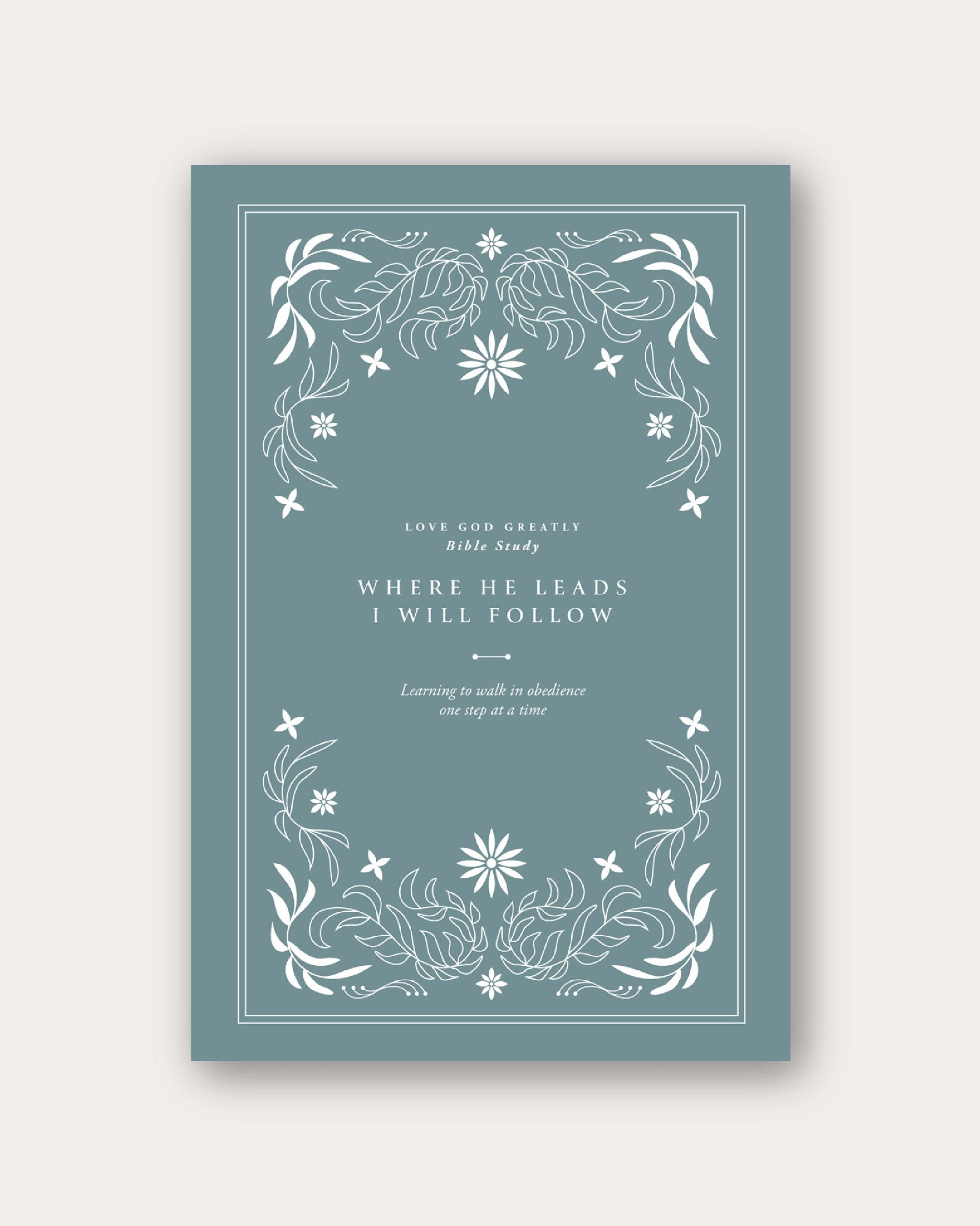
There are passages in Scripture that feel less like distant history and more like a mirror, and Genesis 3 is one of them.
The serpent’s question is subtle but seismic: “Is it really true that God said…?” (Genesis 3:1). Before Eve reaches for the fruit, trust begins to thin. The enemy does not first attack behavior. He distorts God’s character, suggesting obedience is restrictive; boundaries are burdens; and wisdom might be found apart from His Word.
Then comes Genesis 3:6, which states, “When the woman saw that the tree produced fruit that was good for food, was attractive to the eye, and was desirable for making one wise, she took some of its fruit and ate it. She also gave some of it to her husband who was with her, and he ate it”
She saw. She desired. She took.
The fruit promised nourishment and wisdom. Sin rarely appears as ruin; it shimmers as reasonable and attractive. The desires of the flesh, the eyes, and the pride of life run through the human heart (1 John 2:16).
The tragedy of Eden is not that God withheld goodness; it is that His goodness was doubted. Surrounded by abundance (Genesis 2:9), Adam and Eve fixated on the one forbidden tree.
Our natural sin nature mirrors a sobering truth: “For the payoff of sin is death” (Romans 6:23). Sin glitters, persuades, and promises satisfaction. Yet apart from the Lord, what draws our hearts can carry consequences far more devastating than we imagine.
The Deception of Beauty
During each of my four undergraduate years studying journalism at the University of Missouri, the Lord gave me the gift of serving through my college ministry on a mission trip to Harmons, Jamaica. Those weeks remain some of the sweetest memories of my life, worship echoing through open air churches, prayers lifted with bold faith, believers whose joy in Christ was deeply rooted (Psalm 1:3).
Each year in Jamaica, one of my sweet Jamaican friends would climb an ackee tree for me.
Ackee is Jamaica’s national fruit, vibrant and striking. It grows in bright red pods that hang from tall trees. When fully mature, the pod splits open on its own, revealing soft golden flesh cradling glossy black seeds. Properly harvested and prepared, it is delicate, rich, and nourishing.
Every Jamaican child is taught that ackee must never be picked or forced open before it naturally splits. If harvested too early, it contains toxins that can cause severe sickness, vomiting, seizures, and, in extreme cases, death. The fruit is safe only when it opens according to the design woven by its Creator.
As I reminisce on sweet memories of eating ackee with my Jamaican friends, I cannot help but see the parallel when it is eaten at the improper time. Just as unopened ackee carries hidden poison, so too does sin, especially when we grasp what God has not given or remain in situations outside His design. What appears beautiful can, apart from obedience, bring spiritual sickness. Scripture makes clear that sin brings death (Romans 6:23), not always immediate, but real.
Yet, how kind of the Lord is to warn us. How gracious of Him to set boundaries not to deprive us but to protect us (Deuteronomy 6:24).
Competing Allegiances
The tree in Eden was not evil in itself. It stood beneath the sovereignty of a good Creator. The command not to eat was not arbitrary; it was protective. But Eve saw, desired, and took.
There were years before the Lord graciously captured my heart at the beginning of college, years when I professed belief, yet my devotion was fragmented and my love diluted by competing allegiances. I operated in patterns and relationships that I knew, in the quiet places of my conscience, were not God’s best design for me—ways in which I lived outside of His good and protective measures. The Spirit whispered gently and persistently, inviting me to release what was drawing my affections away from Him, but I hesitated, fearing the cost and what others might think (John 16:8).
In those seasons, I did what humanity has done since Eden. I leaned on my own understanding rather than trusting the Lord with all my heart (Proverbs 3:5). I saw fruit that looked good, and instead of physically reaching, I remained in situations that were not aligned with God’s design, convincing myself that proximity to compromise was harmless. Yet desire, when fully grown, brings forth death (James 1:15).
God Steps into the Mess
After Adam and Eve ate, their eyes were opened, not into freedom but into shame, and they hid (Genesis 3:7–8). Yet God pursued: “Where are you?” (Genesis 3:9). In His holiness, He could have left them to their disobedience. Instead, He stepped into the mess, clothed their shame, and promised that a Savior would one day come from the woman’s offspring to forever destroy forces of evil (Genesis 3:15).
Just as God pursued Adam and Eve in their brokenness, His faithful love pursues us in our shame and failures, drawing us tenderly into mercy and unfolding redemption—as I have experienced personally.
Scripture tells us that all have sinned and fall short of the glory of God (Romans 3:23). Genesis 3 is not merely their story; it is ours. What began with a forbidden tree was redeemed by another—the cross, where Christ bore the curse unleashed in Eden (Galatians 3:13).
Jesus declares that the thief comes only to steal, kill, and destroy, but He came that we may have life abundantly (John 10:10). Obedience is no longer a desperate attempt to earn favor; it is a grateful response to grace (Ephesians 2:8–9). Through progressive sanctification, He transforms us from one degree of glory to another (2 Corinthians 3:18), teaching our hearts to trust what He says is good.
When I look back on those years of my life leading up to college, what overwhelms me is not shame but gratitude. He disrupted what I clung to. He stepped into situations where I had drifted, drew me back to Himself, and loved me back to the fullest life found in Him. Like Adam and Eve, I deserved abandonment. Instead, I encountered pursuit. He called me out of darkness into His marvelous light (1 Peter 2:9). There is no language sufficient to express my gratitude for a God who pursues rather than discards!
We will all face Genesis 3:6 moments. Until glory, the pull of misplaced desire will whisper. But because of Jesus, sin is no longer our master (Romans 6:14). When we confess, He is faithful to forgive and cleanse (1 John 1:9). We are no longer hiding among trees; we are walking with the God who seeks us.
Where He leads, even when it requires surrendering fruit that looks beautiful, there is life, freedom, and joy deeper than autonomy could ever offer.
His commands are not constraints; they are invitations into abundance.
And the very God who gave His life for us is so very worthy of our trust! When we lean on His strength to love Him in return and follow His ways, we discover the richest, fullest life He intends for us.